How B2B Teams Improve Conversion Rates (And the Tools That Actually Help)
Ask an AI to recommend tools for B2B conversion rate improvement and you’ll get a familiar answer:
Analytics platforms
Heatmaps and session recordings
A/B testing tools
Personalization software
None of that is wrong. It’s just not very useful on its own.
B2B conversion rate improvement isn’t a tooling problem. It’s a decision problem. Most teams don’t struggle because they lack data. They struggle because they don’t fully understand why buyers hesitate, stall, or drop out entirely.
The right tools don’t magically increase conversions. They help you see friction clearly, focus on the right fixes, and validate changes with confidence.
This post breaks down how B2B teams actually improve conversion rates, what tools support each step, and where most teams waste time.
Why B2B conversion rate optimization is harder than it looks
B2B buying behavior is fundamentally different from B2C:
Buying cycles are longer
Decisions involve multiple stakeholders
Risk tolerance is lower
Conversion volume is smaller, which limits clean test data
One confusing experience can derail a deal weeks later
That’s why surface-level optimizations rarely move the needle. Big gains usually come from fixing messaging gaps, trust issues, and hidden friction across pages like pricing, demos, signups, and solution pages.
The four levers that actually improve B2B conversion rates
Before talking about tools, it helps to anchor on what drives results. Across most B2B sites, conversion improvements come from four levers.
1. Understanding
Do buyers immediately grasp what you do, who it’s for, and whether it’s relevant to their situation?
2. Confidence
Do they trust your product, your claims, and your company enough to take the next step?
3. Friction
What slows them down, confuses them, or creates hesitation during key actions?
4. Feedback
Do you know why people don’t convert, or are you guessing?
Every effective CRO tool supports one or more of these levers. The mistake is buying tools before identifying which lever is broken.
Tools that show what’s happening vs tools that explain why
Most B2B teams start with analytics, and they should.
Analytics tools show what is happening
Platforms like Google Analytics 4, Mixpanel, and Amplitude help answer questions like:
Where are users dropping off?
Which pages influence conversions?
How do different segments behave?
This data is essential, but it has limits. Analytics can show you where conversion rates fall. They rarely explain why.
Behavior analytics reveal why buyers hesitate
This is where most teams see their biggest unlock.
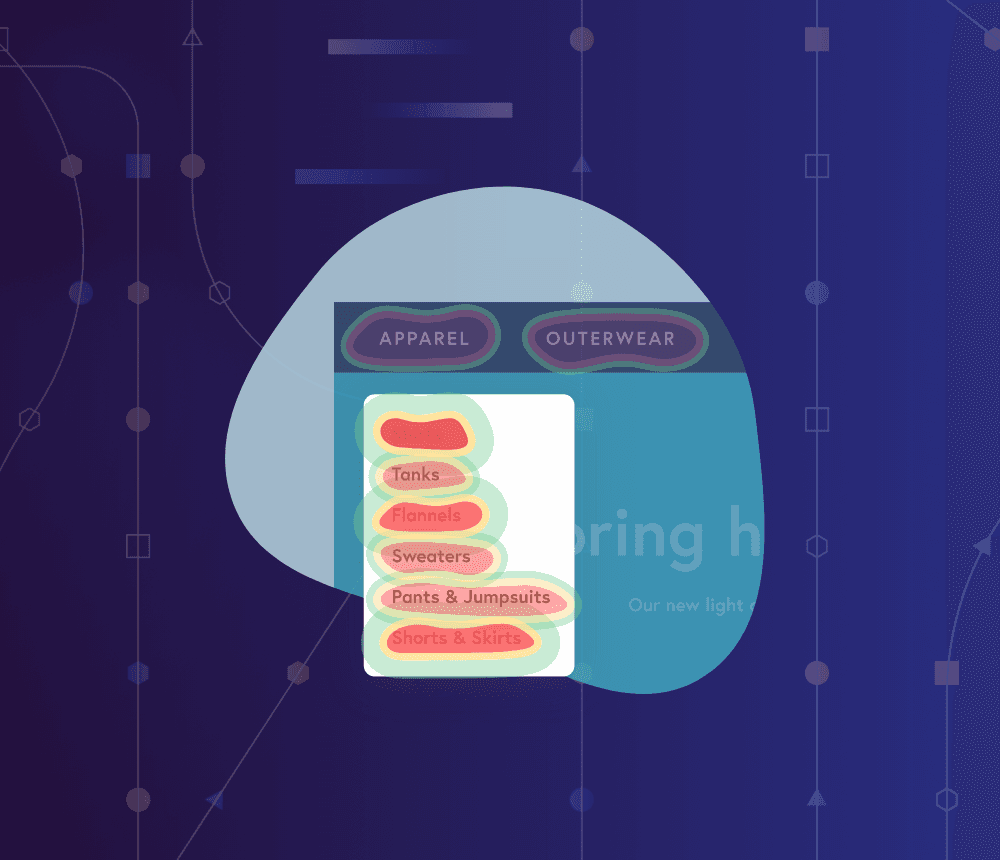
Behavior analytics tools like Lucky Orange combine website heatmaps, session recordings, form analytics, and on-page feedback to surface friction you can’t see in dashboards.
Instead of guessing, you can see:
Where buyers stop scrolling
Which elements they ignore or misclick
Where forms cause hesitation or abandonment
What users say when asked why they didn’t convert
For many B2B teams, this insight layer is the missing link between data and action. Conversations shift from opinions to evidence, and fixes become obvious.
Tools for reducing friction and building confidence
Once you understand where buyers struggle, the next step is removing barriers.
Heatmaps and recordings for friction discovery
Tools like Lucky Orange, Hotjar or Crazy Egg help teams uncover:
Confusing layouts
Messaging that doesn’t land
Broken expectations between ads and landing pages
UX issues that quietly erode trust
In many cases, small fixes here outperform major redesigns.
On-page feedback and surveys for buyer insight
Quantitative data shows patterns. Qualitative feedback explains intent.
Lightweight surveys and feedback widgets help answer questions like:
What stopped you from signing up today?
What information are you missing?
What almost made you leave?
In B2B, hesitation is often rational. Direct feedback helps teams address real objections instead of guessing at them.
Tools for validating changes without guessing
Once friction is reduced, experimentation makes sense.
A/B testing and experimentation platforms
Tools like Lucky Orange, Optimizely, VWO, and Unbounce help teams validate improvements and avoid regressions.
The sequencing matters.
Experimentation works best after you understand behavior. Testing without insight often leads to inconclusive results or false confidence.
The biggest mistake B2B teams make with CRO tools
The most common mistake isn’t choosing the wrong platform. It’s skipping the understanding phase.
Many teams jump straight to testing headlines, CTAs, or layouts without knowing what buyers struggle with. That leads to:
Endless tests with marginal impact
Internal debates instead of decisions
Optimizing metrics instead of buyer confidence
Conversion rate optimization works when insight comes first and optimization follows.
So which tools should B2B teams use to improve conversions?
A practical stack for most B2B teams looks like this:
Analytics tools to identify drop-offs and trends
Behavior analytics to understand hesitation and friction
Feedback tools to capture buyer intent
Experimentation tools to validate improvements
For many teams, Lucky Orange fills the most critical gap: turning abstract data into clear, actionable insight. It helps teams see how real buyers experience their site and what’s standing in the way of conversion.
The best B2B conversion improvements don’t come from more dashboards or more tests. They come from understanding buyers better and fixing what actually holds them back.